Trekking
Morocco Trekking Packing List & Mount Toubkal Preparation
April 30, 2026 · 18 min read
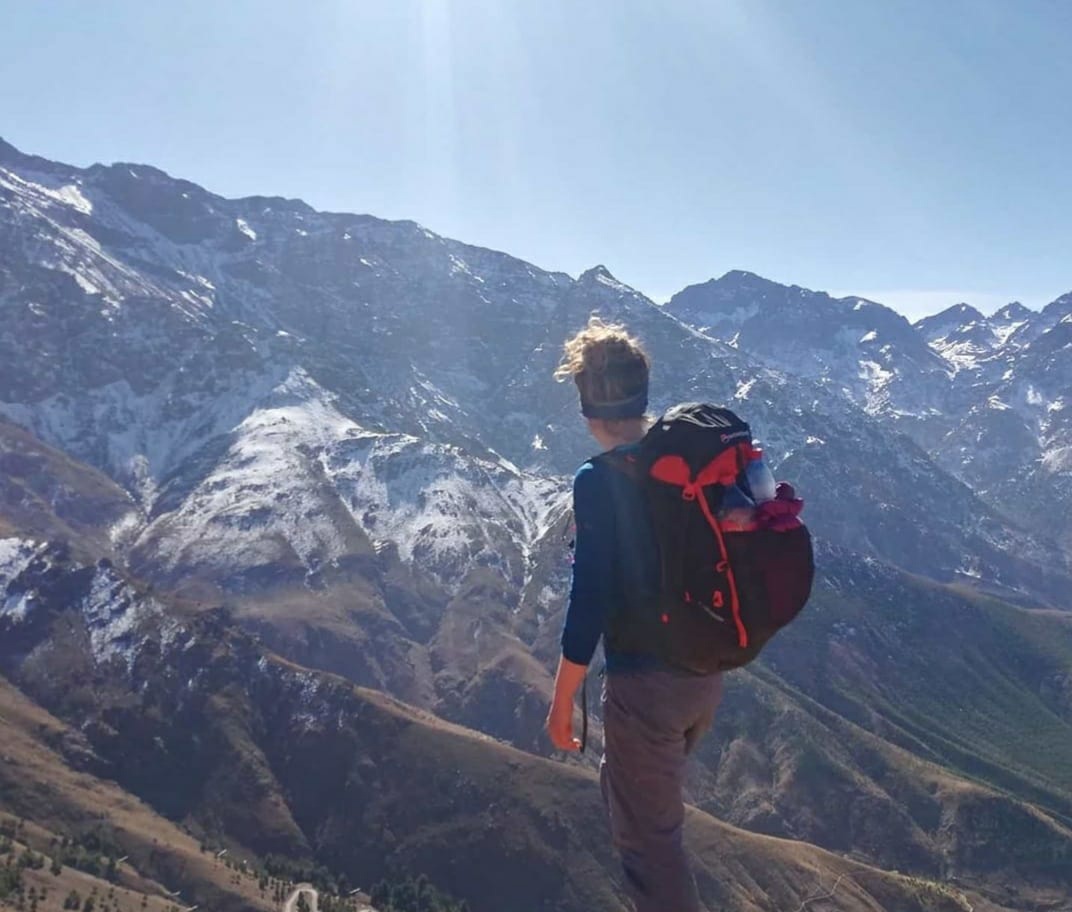
Pack for Mount Toubkal and the High Atlas with practical advice on layers, broken-in boots, bags, hydration, seasonal equipment and what each tour record actually includes.
Preparation starts with the itinerary, not a fitness promise
Mount Toubkal reaches 4,167 m. The classic two-day itinerary walks from Imlil to the refuge on the first day, then attempts the summit and descends on the second. You are preparing for consecutive mountain days, uneven ground and a substantial descent, not a short race. Fitness helps you cope with the walking; it does not guarantee a summit or prevent altitude illness.
Start by writing down your recent walking: the longest hike you have completed comfortably, how much uphill and downhill it included, what you carried and how you felt the following day. This is more useful than comparing yourself with a fast runner or assuming regular gym visits are equivalent to mountain walking. Use the existing fitness guide for a fuller assessment; this preparation checklist turns that assessment into practical habits before departure.
Build endurance through regular walking
Make walking the centre of your preparation. Begin with distances and time on your feet that you can already manage, then build gradually. A shorter weekday walk and a longer weekend hike are easier to sustain than an occasional exhausting outing. Cycling or another activity you already enjoy can support general endurance, but it does not replace walking on rough ground in your trekking footwear.
On the longer walk, practise a steady pace that lets you speak in sentences. Include sensible breaks, eat and drink as you normally need, and notice whether your pace stays controlled near the end. Record duration, terrain and recovery rather than chasing speed. There is no single training distance or number of weeks that proves everyone ready.
Practise uphill walking and controlled descents
Choose hills when you can. Repeated gentle climbs, stairs or an incline treadmill can provide uphill practice where local terrain is flat. Start at a manageable effort and increase only when you are recovering comfortably. A long climb is about repeatable effort; reaching the top of a training hill as fast as possible is not the objective.
Do not leave downhill preparation to the trek itself. Include gradual descents on familiar paths and practise short, controlled steps rather than rushing. If appropriate for you, simple step-ups, controlled step-downs, calf raises and basic strength exercises can complement your walks. Use stable surfaces and movements you can perform comfortably; stop if they cause pain and seek qualified advice where needed.
Practise with trekking poles if you intend to bring them. Learn how to adjust and stow them, and test your footwear on descents so you can identify slipping heels, cramped toes or uncomfortable socks before travelling. Neither poles nor a training exercise can promise pain-free knees.
Rehearse consecutive days and allow recovery
Once ordinary hill walks feel manageable, try a modest walk the day after a longer outing. The purpose is to understand how your legs and feet respond on consecutive days, not to exhaust yourself twice. Keep the second walk easier at first. You should be able to distinguish normal tiredness from persistent pain or a problem that needs attention.
Leave easy or rest days between demanding sessions, keep a regular sleep routine and avoid suddenly increasing both distance and pack weight. If fatigue accumulates, reduce the plan rather than forcing the next session. In the final days before departure, favour familiar, easy activity and kit checks over a last-minute endurance challenge. Arriving exhausted does not make up for missed preparation.
An example six-week preparation schedule
This is general guidance for someone who already walks regularly, not an individual prescription, a medical programme or a guarantee of fitness or summit success. Six weeks is an example planning window, not a minimum requirement or a promise that an inactive person will be ready. Adapt the sessions to your starting point, recovery and professional advice; a longer preparation period may be appropriate.
Each week can include two comfortable shorter walks, one hill-focused outing or familiar strength session, and a longer walk when recovery allows. Rest or easy activity belongs in the plan too. If a week feels too demanding, repeat an easier week or reduce the sessions rather than treating the table as a target you must meet.
| Example week | Walking focus | Preparation check |
|---|---|---|
| 1 | Repeat comfortable walks on familiar terrain. | Try boots, socks and your daypack; record how you recover. |
| 2 | Add modest uphill and downhill sections. | Practise controlled steps and a steady pace. |
| 3 | Extend one walk only if the previous week felt manageable. | Test layers, snacks, water carrying and poles if used. |
| 4 | Follow a longer walk with an easier walk the next day. | Notice tiredness, sore feet and any persistent discomfort. |
| 5 | Rehearse a hill day with the kit you expect to carry. | Review whether your itinerary matches your recent walking. |
| 6 | Reduce demanding activity as departure approaches. | Check footwear, winter requirements and final trip arrangements. |
Two days, a longer route or winter: prepare differently
Two-day summit trek: train for consecutive walking days and a long summit-and-descent day. The short itinerary leaves less time between arrival, the refuge and the summit attempt. Do not choose it simply because fewer days sounds easier.
Three-day Azzaden trek: prepare for a multi-day valley-and-pass itinerary as well as the summit, not three easy versions of a short walk. Extra itinerary days do not remove the effort of the summit or guarantee acclimatisation. Compare the actual day-by-day route with your recent hiking.
Four-day summit trek: the published itinerary includes a valley night and a dedicated acclimatisation walk before the refuge and summit day. You still need hill endurance and downhill practice. More time on the itinerary is not a substitute for preparation and does not make altitude illness impossible.
Three-day winter trek: expect long, cold days and snow or ice on the upper route. The product page lists crampons and an ice axe with instruction, but current supply and rental arrangements still require written confirmation for the departure. It does not list a dedicated snow-skills training day or a reserve day. Check boot compatibility and every required item with the team before travelling. Fitness alone is not winter mountain competence; the guide assesses conditions and may change or stop the summit attempt.
Altitude awareness: fitness is not acclimatisation
The summit is at 4,167 m and the Toubkal refuge is at 3,207 m. Walking practice at low altitude helps with the effort, but it does not demonstrate how you will respond to sleeping or walking high. Fit people can still become unwell at altitude; do not interpret strong training results as permission to ignore symptoms.
Tell your guide promptly if you develop a headache, nausea, dizziness or feel unexpectedly unwell. Do not hide symptoms to keep a summit attempt going. Let the guide assess the situation and follow their instructions, including turning back or descending when necessary. This article does not prescribe medication, a fixed hydration amount or a guaranteed remedy. Seek medical advice before booking if a health condition or medication could affect strenuous activity or altitude exposure.
Prepare your equipment before flying
Walk in the boots and socks you plan to use. Test your daypack on hills, adjust its straps and carry only the weight you expect to have with you. Review the chosen product's included and not-included lists rather than assuming all clothing, boots or a sleeping bag are supplied.
Check warm layers, a waterproof and windproof outer layer, hat, gloves, headlamp and spare batteries, sun protection and water-carrying capacity. Try operating zips and your headlamp with gloves on if travelling in winter. Ask the team about crampon-compatible boots and the kit required for the conditions; snow can matter outside a simple calendar window.
The linked guided trekking products include return transport between Marrakech and Imlil. Do not book that same transfer again. Confirm your pickup arrangements with the team and check luggage support against your chosen itinerary rather than assuming every route handles bags in the same way.
Essential hiking clothing: build a flexible layering system
Pack layers that can be added or removed without unpacking your main bag: a moisture-managing base layer, a warm mid-layer, an insulating jacket, and a waterproof and windproof outer shell. Add quick-drying walking trousers, a warm hat, gloves and a sun hat. The exact combination depends on your dates, altitude and forecast; a hot valley start does not describe the conditions higher on the route.
Keep one warm layer and the waterproof shell in your daypack rather than in luggage travelling separately. Avoid relying on a single heavy garment: several useful layers are easier to adjust while walking. For longer routes, pack enough base layers and socks to keep one set dry rather than filling the bag with duplicate outerwear.
Boots, socks and footwear preparation
Bring hiking boots you have already worn on long walks, including descents. Check that your heel stays secure, your toes do not strike the front on downhill ground and the sole still grips. Test the exact socks you will use; carry a dry spare pair and deal with rubbing as soon as you notice it. New boots packed straight from the box are a common and avoidable mistake.
Ordinary walking footwear and winter crampon-compatible boots are not interchangeable. When snow or ice affects the upper route, the guide confirms the required equipment close to departure. Do not assume your boots fit crampons, and do not buy or rent specialist footwear without checking compatibility for your exact trip.
Daypack and main trekking bag
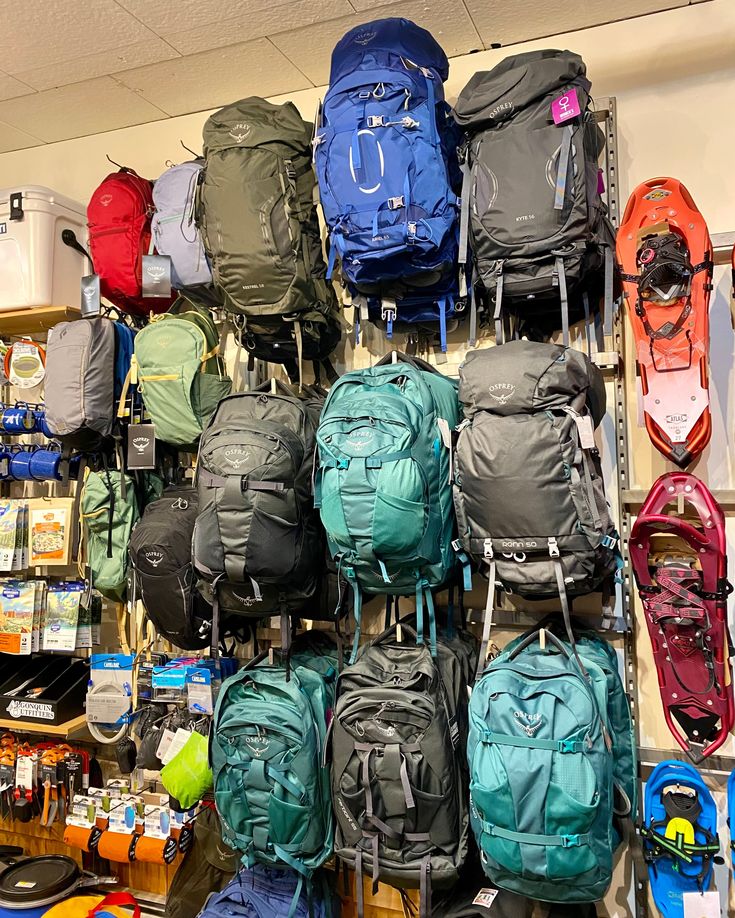
Your daypack should fit comfortably and hold what you need while walking: water, food for the trail, sun protection, waterproofs, a warm layer, headlamp, personal essentials and any medication. Use dry bags or sealed inner bags for items that must stay dry. Practise walking with the packed bag and adjust the shoulder, chest and hip straps before travelling.
Some published multi-day itineraries include mule support for main luggage, but the arrangement and any limit must be checked against the chosen product and confirmed for your departure. No universal mule-load allowance is published. Use a soft, secure bag rather than assuming a suitcase can travel on the trail, and keep valuables and anything needed during the day with you.
Water, trail snacks and personal essentials
Carry enough refillable water capacity for the instructions given for your route and season; the published Toubkal product lists ask guests to bring capacity for three litres. Ask where refills are expected rather than assuming bottled water or treatment equipment is provided. Start with clean bottles or a bladder you have tested for leaks.
Check the product record for meals and trail snacks. Even when meals are listed as included, carry a small amount of familiar food you know you can eat while walking, especially if you have allergies or dietary requirements. Tell the team about dietary needs before departure; this guide does not promise a menu.
Keep sunscreen, sunglasses, lip protection, tissues, hand sanitiser, a small personal first-aid supply, prescribed medication, identification, phone and a power bank accessible. A headlamp with spare batteries belongs in the daypack for an early summit start. Bring only medication you normally use or that a qualified professional has advised for you.
Mount Toubkal summit kit
For a summit itinerary, the practical core is broken-in boots, warm and weatherproof layers, hat and gloves, headlamp, water capacity, sunglasses and sunscreen. Trekking poles may help with balance on loose ground, but practise with them before the trip. Keep the headlamp, shell, insulation and water with you rather than in the main bag.
Crampons and an ice axe are needed when snow and ice are present on the upper route. That is a condition decision, not a promise tied to a month. Some product records list winter equipment, but current supply and rental arrangements remain unconfirmed. Read the exact product page and obtain written confirmation for your date before deciding what to bring or rent.
Summer, autumn and winter packing differences
Summer: prioritise sun protection, breathable walking layers and water capacity, while still carrying insulation and a shell for altitude and early starts. Summer conditions do not remove the need for warm clothing on a summit route.
Autumn: prepare for greater variation between warm valley walking and colder high ground, with shorter daylight as the season advances. Pack warm layers, waterproofs, a reliable headlamp and gloves, then check the current forecast and route conditions. Previous-season photographs are not evidence for your dates.
Winter: expect a full winter clothing system and specialist equipment when snow and ice are present. Boot compatibility matters. The guide confirms what conditions require close to departure, and the dedicated winter-kit guide owns the detailed crampon, ice-axe and clothing advice.
What you bring and what the tour record provides
Personal clothing and boots remain the guest's responsibility across the published trekking records reviewed for this guide. Sleeping-bag responsibility and refuge facilities are not stated consistently across the wider site, so do not rely on a generic article: ask for written confirmation for your exact itinerary and date.
The table below summarises the current product records without changing them. Product pages remain authoritative for approved prices, booking conditions and inclusions, and arrangements can still require confirmation for the requested date.
| Published itinerary | Current record says it provides | Guest packing responsibility |
|---|---|---|
| 2-day Toubkal | Return Marrakech–Imlil transport, guide and muleteer, refuge night, meals and trail snacks. | Personal trekking gear and boots; confirm sleeping bag, overnight facilities and any winter equipment in writing. |
| 3-day Azzaden and Toubkal | Return transport, guide, cook and muleteers, one gite night, one refuge night, meals and trail snacks. | Personal trekking gear; confirm sleeping bag, overnight facilities and any winter equipment in writing. |
| 4-day Toubkal | Return transport, guide, cook, mule support, itinerary accommodation and mountain meals. | Personal clothing and boots, insurance and essentials; confirm sleeping bag, overnight facilities and winter equipment in writing. |
| 8-day winter expedition | Return transport, guide, cook, mule support, itinerary accommodation, meals and a snow-skills day. | Stiff compatible mountaineering boots, goggles, personal clothing, insurance and essentials; confirm sleeping bag, overnight facilities and every winter item in writing. |
Common packing mistakes
The most common errors are bringing new boots, putting the shell or headlamp in the main bag, carrying too many duplicate clothes, forgetting dry socks, assuming a summer valley forecast applies to the summit, and treating rental availability as guaranteed. Another mistake is reading one tour's inclusion list and applying it to every itinerary.
Pack once, walk with the daypack, then remove items that have no clear use. Recheck batteries, boot fit, waterproofing and the exact tour record. Confirm uncertain equipment, accommodation, meals and transfers in writing rather than filling gaps with assumptions.
Choose a realistic trek and confirm the arrangements
Before committing, tell the team your recent hiking, dates, group size and concerns about pace or recovery. Compare the route, nights and summit day with what you have actually practised. A guide's decision to change the plan is not a failed training programme: reaching the summit is never guaranteed, and returning safely takes priority over completing a checklist.
Use the linked tour pages for current approved prices and booking conditions; this article does not introduce a discount or a separate price. New private trekking options require an availability request and confirmation before payment. A private departure does not guarantee any date, capacity, pace adjustment or summit. Ask which arrangements can be confirmed for your group.
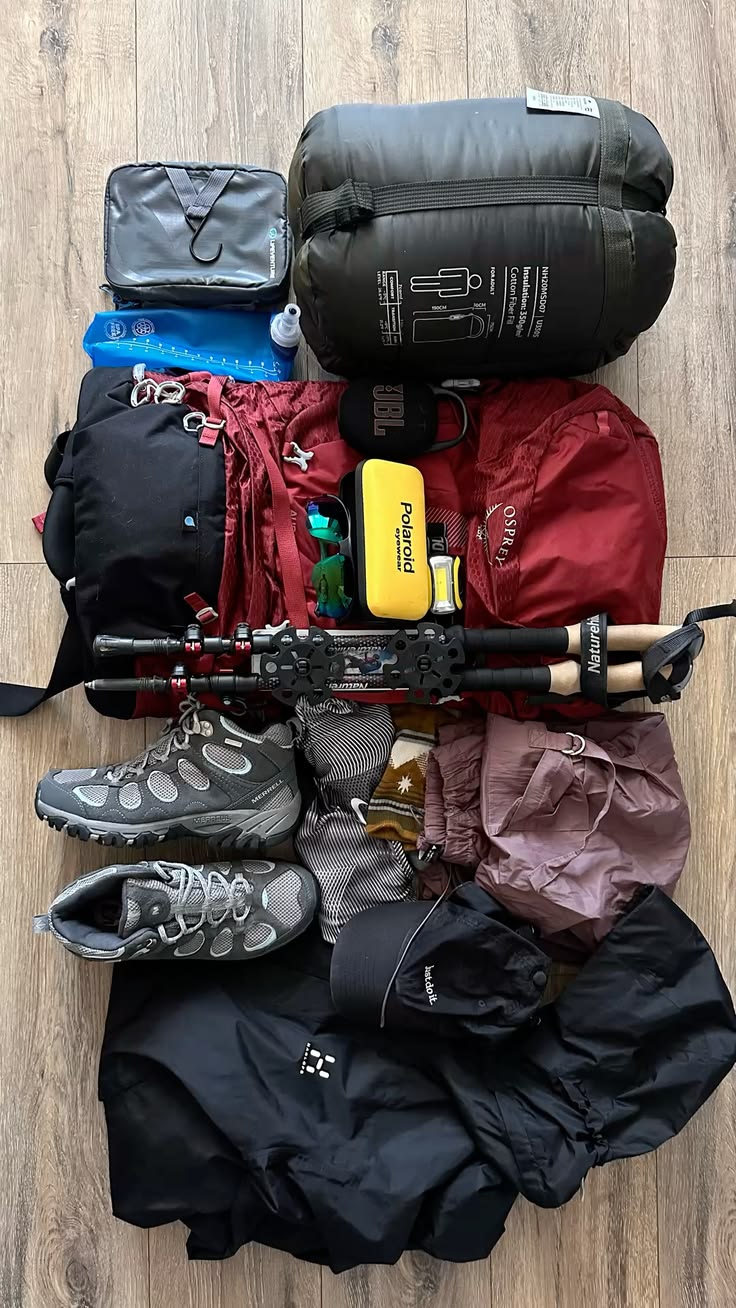
Printable Morocco trekking packing checklist
Tick the items that apply to your route and season, then use Print checklist for a clean paper or PDF copy. This list does not replace the confirmed requirements for your exact departure.
Wear and carry
- Broken-in hiking boots
- Tested hiking socks and a dry spare pair
- Base layer
- Warm mid-layer
- Insulating jacket
- Waterproof and windproof shell
- Walking trousers
- Warm hat and gloves
- Sun hat
Daypack essentials
- Comfortable fitted daypack
- Water capacity confirmed for the route
- Familiar trail snacks
- Headlamp and spare batteries
- Sunglasses and sunscreen
- Lip protection
- Personal medication and small first-aid supply
- Phone, identification and power bank
- Dry bags or waterproof inner bags
Confirm before departure
- Current route and weather conditions
- Exact product inclusions
- Main-luggage and mule arrangement
- Sleeping-bag responsibility
- Overnight facilities
- Meals and dietary needs
- Pickup and return transport
- Winter equipment and boot compatibility
- Rental availability for requested dates
Only pack specialist winter hardware after checking the conditions and your product's written arrangements. Product pages remain the authority for prices and booking terms.
Frequently asked questions
- How should I prepare for Mount Toubkal?
- Build regular walking, uphill and downhill practice, and manageable consecutive days. Test the equipment you will use, allow recovery and compare your recent hiking with the chosen itinerary. Training does not guarantee a summit.
- Is six weeks of training enough for Toubkal?
- There is no universal preparation period. The six-week example here is general guidance for regular walkers, not a readiness guarantee. Your starting point, recent hill walking and recovery matter; some people need a longer preparation period.
- Does fitness prevent altitude illness?
- No. Fitness and acclimatisation are different. Tell your guide if you feel unwell and follow their instructions. Seek medical advice before booking if health conditions or medication may affect exertion or altitude exposure.
- Is a longer Toubkal itinerary easier?
- It can change how walking and overnight stops are arranged, but it does not remove the summit effort. The four-day itinerary includes an acclimatisation walk; the three-day Azzaden route includes valley and pass walking. Compare their actual itineraries rather than assuming more days guarantees an easy trek.
- How does winter preparation differ?
- Prepare for cold walking days and confirm boot compatibility and every required item in writing. Some product pages list winter equipment, but current supply and rental arrangements remain unconfirmed. Conditions and the guide's judgement decide the summit attempt.
- Should I pay before a private departure is confirmed?
- New private trekking options use an availability request. Availability and arrangements must be confirmed before payment; the article does not promise departures or capacity.
- What should I pack for trekking in Morocco?
- Bring broken-in boots, tested socks, adjustable warm and weatherproof layers, a fitted daypack, water capacity, a headlamp, sun protection and personal essentials. Add specialist winter kit only when the route conditions and your exact tour require it.
- What should stay in my daypack on Mount Toubkal?
- Keep water, trail food, sun protection, your waterproof shell, a warm layer, headlamp, medication, personal essentials and valuables with you. Do not put anything needed during the walking day in luggage travelling separately.
- Are meals, accommodation, transfers and equipment included?
- It depends on the itinerary. The product records reviewed here list different combinations. Read the exact tour page and obtain written confirmation for your date; do not apply one trek's inclusions to another.